
NARS1を理解する:酵母がNARS1障害の謎を解くのにどのように役立つか
NARS1 障害のようなまれな遺伝性疾患を理解することに関しては、新しい研究が行われるたびに、答えに一歩近づき、できればいつか治療法にも近づくことができます。
からの最近の研究 アントニー アントネリス教授’研究室 シーラ・ピープルズ指揮により、エキサイティングな一歩が踏み出されました。珍しいように聞こえるかもしれませんが、この作品では 酵母 (はい、お菓子作りと同じ種類です!) 科学者が NARS1 遺伝子の変化が体にどのような影響を与えるかを理解するのに役立ちます。
なぜ酵母を学ぶのですか?
酵母のような小さなものが人間の状態について教えてくれるというのは奇妙に思えるかもしれません。しかし、酵母は実際には私たち自身の細胞と多くの類似点を共有しており、急速に成長するため、遺伝子がどのように機能するかを研究するのに最適です。
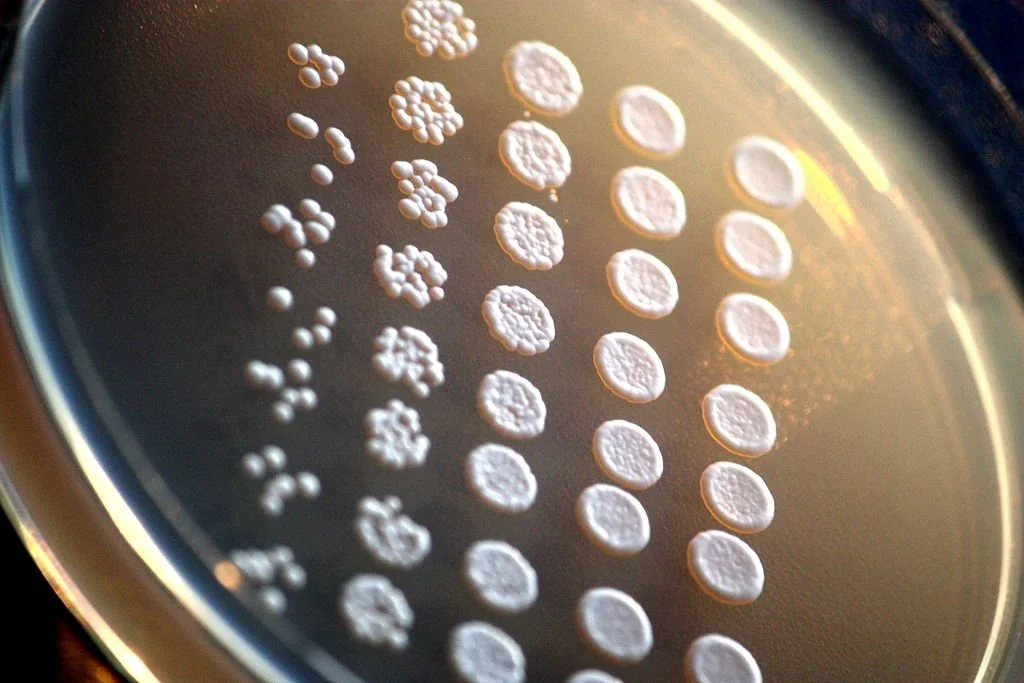
実験室用パン酵母(Saccharomyces cerevisiae)変異体を寒天プレート上に滴下接種します。 レイニス・ベンタ(自身の作品)[CC BY-SA 3。0]、ウィキメディア コモンズ経由
_agariplaadil..JPG)
この研究では、研究者らは、NARS1 遺伝子が正常に機能しない場合に何が起こるかを確認したいと考えました。NARS1 遺伝子は生命に不可欠なタンパク質を作ります。酵母でも、人間と同様に、この遺伝子が除去されると酵母は生存できなくなります。
しかし、科学者はヒト版の NARS1 遺伝子を追加することで酵母を“救出”し、酵母が再び生きて成長できるようにすることができます。この巧妙なアプローチは、異なるものを交換できることを意味します バリアント ヒト NARS1 遺伝子の(または変異)を調べて、それぞれが酵母の生存能力にどのような影響を与えるかを確認します。
酵母が正常に増殖する場合、変異体は害を及ぼさないようです。しかし、成長が遅くなったり止まったりすると、この変異体がNARS1タンパク質の機能を損傷していることが示唆され、科学者はこれをaと呼んでいます 機能の喪失.
研究で見られたこと
健康上の問題を引き起こす可能性のある NARS1 変異体にはさまざまな種類があります。
何らかの原因 NARS1障害、 発達や脳に影響を与える可能性があります。他のものは、と呼ばれる別の状態を引き起こします シャルコー マリー トゥース病(CMT)手足の神経に影響を及ぼし、筋力低下、足のアーチが高くなり、感覚が低下する傾向があります。
どちらの症状も同じ遺伝子の変異によって引き起こされますが、症状とその重症度は大きく異なります。
この研究では、研究チームは、NARS1障害とCMTの両方に関連するものを含むいくつかのNARS1変異体を比較し、それぞれが遺伝子の活性にどのような影響を与えるかを理解しました。
研究で見つかったこと
結果は明確で、以前の研究と一致していました
機能喪失(LOF): テストされた 7 つの変異体のうち 6 つ(NARS1 障害と CMT の両方)により、酵母は苦戦し、成長が悪くなりました。これにより、変異体が a を引き起こすことが確認されました NARS1活性の喪失.
支配的・否定的効果: 研究者が健康な人をペアにしたとき NARS1 変異したコピーでは、健康な遺伝子がそれを補うことができませんでした。変異したコピーはそうでした 支配的なつまり、健康な NARS1 タンパク質を積極的に妨害したということです。これは科学者がaと呼ぶものです ドミナントネガティブ効果.
重大度は重要です: 重要なのは、NARS1 障害を引き起こす変異体には、 より大きい CMTを引き起こす変異体よりも酵母に負の(毒性)影響を与える。これは直接的な関連性を示唆している NARS1 活性の損失が大きいほど、疾患の結果は重篤になります。
なぜこの研究が NARS1 ファミリーにとって重要なのでしょうか?
この研究は、における大きな前進を表しています ケア そして 変化する 私たちは努力します。
1。私たちはより強力な基盤を持っています: 異なる研究室が異なるモデルを使用して同じ結果を見つけると、科学はより強力になります。この研究は、以前の研究が示唆したことを裏付けています。つまり、NARS1 障害のメカニズムに関する独立した統合された証拠が得られたということです。この強固な基盤は、臨床試験の開始に向けて進む際に非常に重要です。
2。治療をテストするための新しいツールがあります: 酵母は薬物検査に非常に効果的なモデルであり、科学者たちはそれを「薬物化可能」と呼んでいます 研究者らは酵母の疾患の重症度を反映することに成功したため、アスパラギンなどの潜在的な薬剤をテストする準備ができている、高速でアクセスしやすいモデルを手に入れました。このモデルにより、より複雑で高価なモデルに投資する前に、治療への道を見つけることに近づくことができます。
次に何が起こるのでしょうか?
この研究は、次の発見の波に向けた目的を持った基礎となります。アントネリス研究所のモデルは現在、強力な出発点となっています。
研究パートナーと協力して、私たちの次のステップは次のとおりです:
これらの発見を、ヒト細胞株、そして最終的にはマウスのような生物全体を含む、より複雑なモデルに変換します。
潜在的な治療法をテストし、NARS1 の機能を回復し、ドミナントネガティブ効果を逆転させることができるかどうかを確認します。
私たちは研究を擁護します これにより、研究室から治療までのロードマップが作成されます。私たちの使命をサポートしてくれるすべての家族が、そのロードマップの構築に協力してくれます。